Terms of Service
Terms and conditions for using Elyra and elyracode.com
By creating an account, purchasing a licence, or otherwise using Elyra software, the elyracode.com website or any related service ("the Service"), you accept these Terms of Service ("Terms"). If you do not accept them, do not use the Service. The Service is operated by Wirelabs AS ("we", "us"), a company registered in Norway.
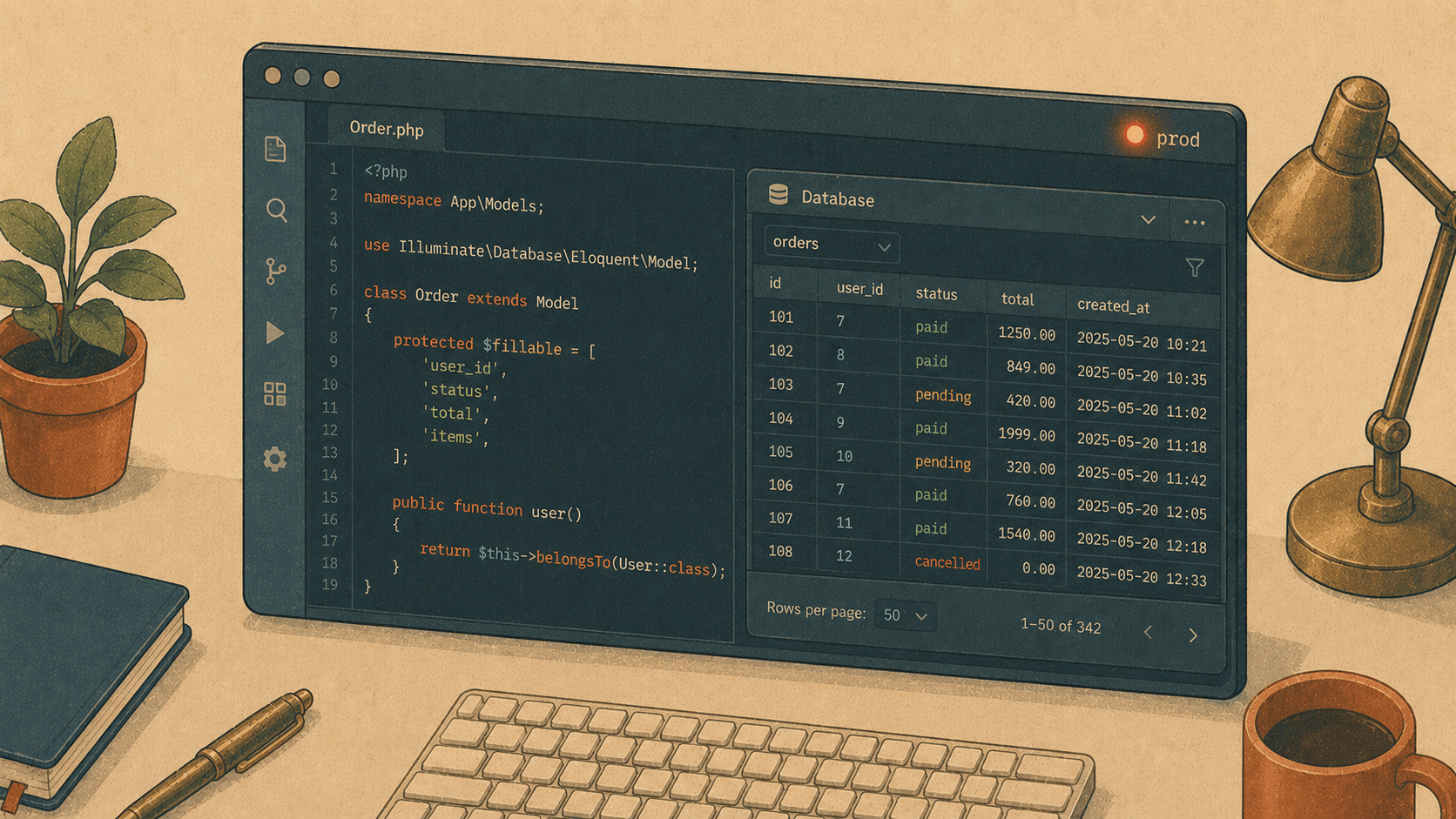
Elyra is an ecosystem of developer tools. Some parts are free and/or open source (e.g. the Elyra coding agent and its extensions); others are commercial products sold under a licence (e.g. Elyra DataGrid, the Elyra SQL Client and Grove Pro/Teams). Each product's features, editions and pricing are described on its product page and documentation.
An account may be created automatically when you make a purchase. You are responsible for keeping your credentials and any licence keys or download tokens confidential, and for all activity under your account. Notify us promptly of any unauthorised use.
Commercial products are licensed, not sold. A licence grants the rights described for the edition and term you purchase (for example, per production domain or per seat, annual or lifetime). Payments are processed by Stripe; annual plans renew until cancelled. Download access to commercial packages is provided via Private Packagist; licence keys are issued to your account and by email. You may not resell, sublicense, publish, or share licence keys, download tokens or commercial source code outside your organisation.
You agree not to misuse the Service: no reverse-engineering to circumvent licensing, no removing licence or copyright notices, no unlawful, infringing or abusive use, and no attempt to disrupt or gain unauthorised access to our systems. Free and open-source components are governed by their respective licences.
Except for open-source components under their own licences, all Elyra software, trademarks, documentation and content are owned by Wirelabs AS or its licensors and are protected by law. No rights are granted except those expressly stated in these Terms and your licence.
7. Disclaimer & liability
The Service is provided "as is" and "as available", without warranties of any kind to the extent permitted by law. To the maximum extent permitted by law, our aggregate liability for any claim relating to the Service is limited to the amount you paid for the relevant product in the 12 months before the claim. We are not liable for indirect or consequential loss, including lost data or profits.
We may update these Terms from time to time. Material changes will be reflected by the "Last updated" date above and, where appropriate, notified to you. Continued use of the Service after changes take effect constitutes acceptance.
These Terms are governed by the laws of Norway, and any dispute shall be subject to the ordinary courts of Norway, without prejudice to mandatory consumer protections in your country of residence.
Questions about these Terms? Contact Wirelabs AS at hello@wirelabs.no.