Opus 4.8 Landed. We Were Ready in Eleven Minutes. - v0.8.2
Anthropic published @anthropic-ai/sdk@0.100.0 to npm at 4:49 PM UTC today.
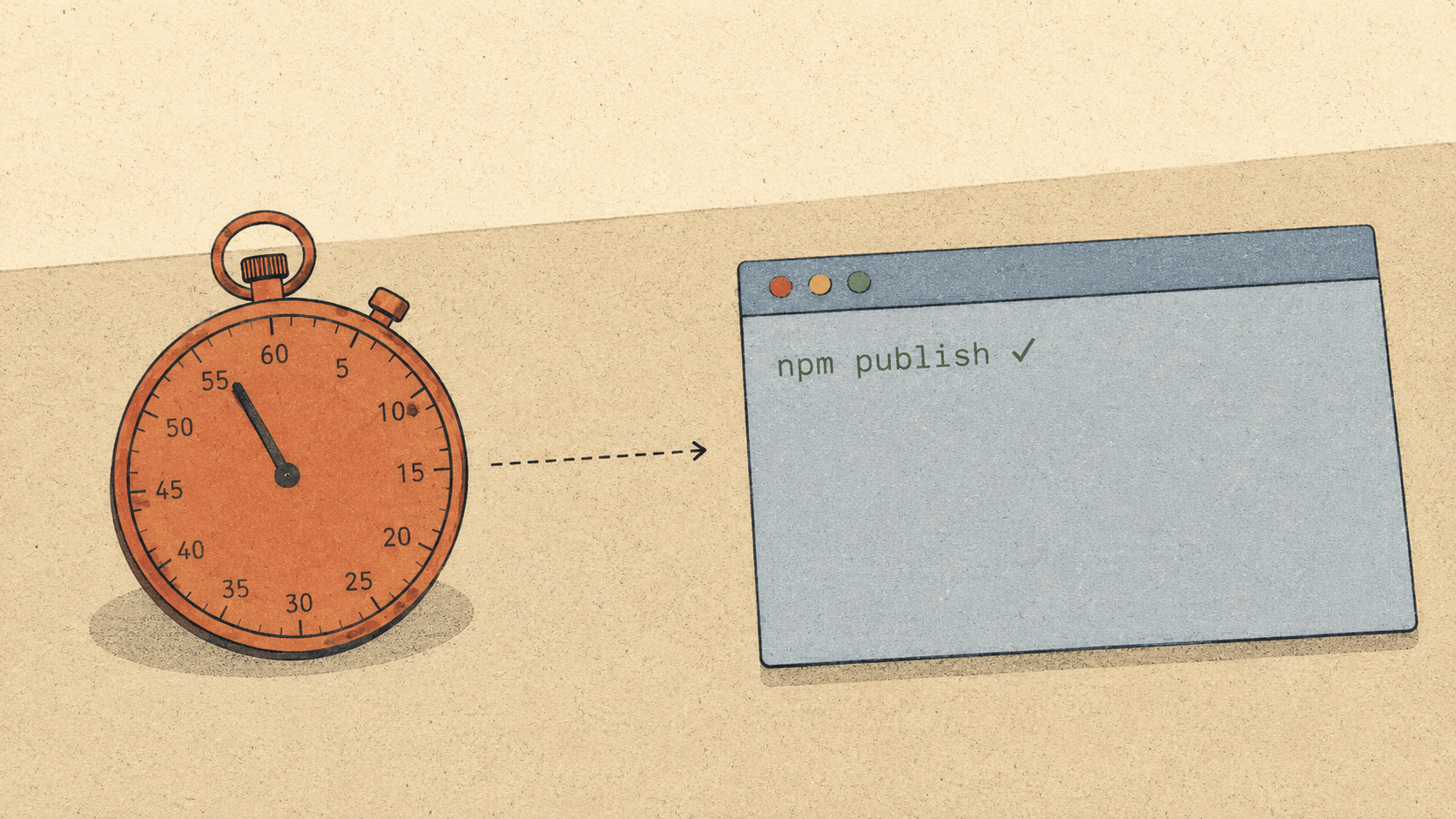
Tucked inside the TypeScript type definitions, one new entry:
export type Model = 'claude-opus-4-8' | 'claude-opus-4-7' | ...
Eleven minutes later, Elyra v0.8.2 was live on npm with Opus 4.8 as the default model. No breaking changes. No config files to edit. Just update and go.
npm install -g @elyracode/coding-agent@0.8.2
That's the post. But if you're curious how a one-person project ships model support faster than most teams ship a status update, read on.
How we found it
We didn't find it on the Anthropic blog. We didn't see it on Twitter first. We found it in the SDK.
npm view @anthropic-ai/sdk time --json
# 0.100.0: 2026-05-28T16:49:11.455Z
Published twenty minutes ago. No announcement yet. But the types don't lie:
// node_modules/@anthropic-ai/sdk/resources/messages/messages.d.ts
export type Model = 'claude-opus-4-8' | 'claude-opus-4-7' | ...
There it was. We also spotted something interesting — a new effort level:
effort?: 'low' | 'medium' | 'high' | 'xhigh' | 'max' | null;
max is new. Beyond xhigh. We'll add support for that next.
What we did
Three changes.
1. Added the model to the generator. Elyra's model list is auto-generated from three sources (models.dev, OpenRouter, Vercel AI Gateway). None of them had Opus 4.8 yet — it was too new. So we added a manual entry with the specs we could infer from the SDK and the existing Opus 4.7 pricing:
{
    id: "claude-opus-4-8",
    name: "Claude Opus 4.8",
    api: "anthropic-messages",
    provider: "anthropic",
    reasoning: true,
    input: ["text", "image"],
    cost: { input: 5, output: 25, cacheRead: 0.5, cacheWrite: 6.25 },
    contextWindow: 1000000,
    maxTokens: 128000,
}
When the aggregators catch up (they usually do within hours), the auto-generator will pick up the canonical specs and our manual entry becomes a no-op.
2. Made it the default. One line:
// model-resolver.ts
anthropic: "claude-opus-4-8",  // was "claude-opus-4-7"
New Elyra sessions now start with Opus 4.8 automatically. Existing sessions keep whatever model they were using.
3. Shipped it.
npm run check     # passes
git commit
git tag v0.8.2
npm run build
npm publish -ws --access public
git push
What Anthropic says about it
From the announcement:
Claude Opus 4.8 builds on Opus 4.7 with sharper judgment, more honesty about its own progress, and the ability to work independently for longer than its predecessors.
"Sharper judgment" and "more honesty about its own progress" are exactly the qualities that matter in an agentic coding context. An agent that knows when it's stuck — and says so instead of confidently producing wrong code for three more turns — saves real time and tokens.
"The ability to work independently for longer" is interesting for /goal workflows, where the agent keeps working until a command passes. Longer autonomous runs with better self-assessment means fewer false completions and fewer wasted cycles.
What you get
If you're already on Elyra, update:
npm install -g @elyracode/coding-agent@0.8.2
Your next session will use Opus 4.8 by default. If you want to switch back:
/model anthropic claude-opus-4-7
Or switch mid-session — model changes take effect on the next turn. No restart needed.
If you're using Elyra with a different provider (OpenAI, Google, Bedrock), nothing changes for you. This release only affects the default for Anthropic API keys.
Why this is fast
Elyra's model system is designed for this. Three things make it work.
Auto-generated model list. Every build fetches the latest models from three aggregator APIs. When a new model appears on any of them, it's automatically available in the next release. No manual curation for the common case.
Manual fallback for day-zero. When a model is too new for the aggregators, we add a manual entry in the generator script. It takes five lines and is automatically superseded when the aggregators catch up.
No approval pipeline. Elyra is MIT-licensed, maintained by one person, and ships from a single main branch. The path from "new model exists" to "published on npm" is: edit, check, commit, tag, build, publish, push. No PRs, no review queue, no staging environment, no feature flags. When the only approval needed is "does npm run check pass," shipping is fast.
This isn't always the right approach. But for model support — where the change is additive and low-risk — speed matters more than ceremony.
One more thing
While we were in the codebase, we noticed Cerebras had removed qwen-3-235b-a22b-instruct-2507 from their API, breaking two test files. Fixed those too. The boring work never stops.
npm install -g @elyracode/coding-agent@0.8.2
Full changelog: v0.8.2