GPT-5.6 Is Now the Default (and It Comes in Three Flavors) - Elyra v0.9.14
OpenAI shipped GPT-5.6 and Elyra picked it up the same day: it's now the default OpenAI model, and the whole lineup — luna, terra, sol — is registered so you can trade cost against capability per task instead of paying top rate for everything.
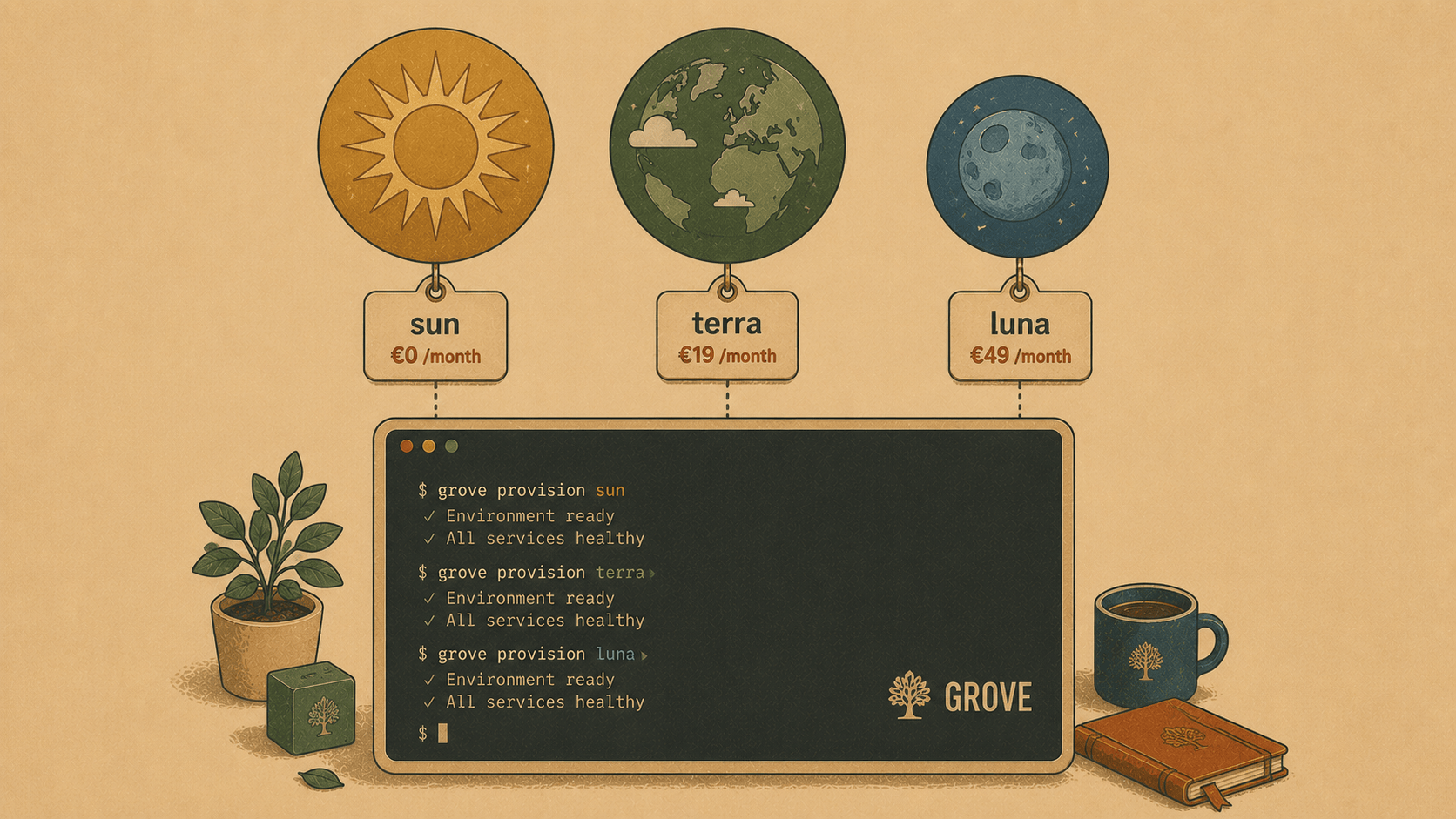
OpenAI shipped GPT-5.6, and Elyra picked it up the same day. This release makes it the default OpenAI model and adds the whole 5.6 lineup to the registry. Here's why that's worth a version bump, and how to use it — including the part most people miss: 5.6 isn't one model, it's a small family.
Why: the default should be the current model
A default model is a promise Elyra makes on your behalf: "when you don't specify, this is what runs your work." That promise had drifted. Elyra's OpenAI default was still gpt-5.4, while gpt-5.5 and now gpt-5.6 had shipped. Two versions behind isn't broken, but it means new users get older behavior, older pricing, and a smaller context window than they could have — for no reason.
v0.9.14 fixes that: the OpenAI default is now gpt-5.6, with a ~1M+ token context window and reasoning built in. If you use OpenAI through Elyra and never touch the model setting, you're now on the current model automatically.
(One deliberate exception: the openai-codex provider default stays gpt-5.5, because 5.6 isn't available on the Codex surface yet. We verify what each provider actually offers before pointing a default at it — no dead defaults.)
The interesting part: luna, sol, terra
Here's what a plain "GPT-5.6 is out" headline hides. 5.6 ships as a family, and Elyra registered all of it:
Model Input $/1M Notes gpt-5.6 $5 (out $30) The full model gpt-5.6-sol $5 Full-tier sibling gpt-5.6-terra $2.5 Mid — half the input cost gpt-5.6-luna $1 Cheapest — 5x less than base
All four are reasoning-capable, take text and images, and carry the same ~1.05M context window. What changes across the lineup is the cost/capability trade-off — luna is the economical workhorse, terra the middle ground, sol/base for when you want the most.
This matters because the right model for "summarize this file" is not the right model for "reason through this migration." Having the tiers named and registered means you can match spend to task instead of paying top rate for everything.
How: switching is a string
The whole point of Elyra's model layer is that trying any of these is trivial — no SDK changes, no endpoint wiring. Pick one:
elyra                      # already on gpt-5.6 (the new default)
elyra --model gpt-5.6-luna # go cheap for a bulk/mechanical session
elyra --model gpt-5.6-sol  # go full for hard reasoning
And the tiers really shine when you let smart routing do the choosing. Pin the family across tiers and let Elyra classify each turn:
"smartRoutingModels": {
  "fast": "gpt-5.6-luna",      // grep, read, boilerplate
  "balanced": "gpt-5.6-terra", // everyday edits
  "powerful": "gpt-5.6"        // the genuinely hard turns
}
Now the mechanical work runs at $1-tier prices and only the hard turns reach for the full model. Preview it any time:
/route
  Next turn: balanced — "default"
  fast:     gpt-5.6-luna
  balanced: gpt-5.6-terra
  powerful: gpt-5.6
Same model family, three price points, one automatic decision per turn.
What you need to do
Nothing, if you're happy with the default — update and you're on 5.6:
npm install -g @elyracode/coding-agent@0.9.14
If you want to steer, the luna/terra/sol IDs are ready to drop into --model or your routing settings.
The takeaway
Two small moves, one nice outcome: the default caught up to the current model, and the full 5.6 lineup — luna, terra, sol — is available so you can trade cost against capability instead of accepting one price for all work. Keeping defaults current is unglamorous maintenance, but it's the kind that quietly makes every new session a little better without asking you to think about it.